[Abecedary of Reflection] Belief

B: Belief

In my [humble] opinion, another important aspect of reflection is belief. Belief in yourself, your strengths, your ability to overcome challenges, your desire to change when needed and stay strong when necessary.

8102629153_3b55a9b049

cc license posted on flickr by Live Life Happy

Leadership is often lonely and isolated.  Social media has certainly provided more opportunities for leaders to connect and share successes and challenges with peers across the world. However, the day-to-day work is often still you, alone, doing your best to lead a staff in the ways that will make significant differences in the lives of children. To do this successfully, and to keep coming back for more each day, your belief in yourself is critical.

To me, belief in yourself does not mean that you know all or that you can do everything by yourself. Believing in yourself means knowing your strengths as well as your weaknesses, surrounding yourself with a strong team who can support the vision of the school/ district/ organization, and the abilities to ask for help, seek out new resources, and admit when you are wrong. These are not qualities that come naturally to all leaders. Many of these qualities I learned myself through my first years as a leader, along with many hours of reflection. I didn’t always have belief in myself as a leader, but I always believed in the work I was doing, as part of a team, to help students. I build the self-efficacy necessary to believe I had the ability to do the work that needed to be done on behalf of the students I served.

cc licensed flickr photo shared by BK

cc licensed flickr photo shared by BK

Reflective questions to consider:

  • What beliefs do you hold about your leadership?
  • What beliefs affect your work?
  • How do you build self-efficacy in others?

Abecedary of Reflection:

Appreciation

Posted in Reflection | Tagged , , , , , | 6 Comments

[Mentor Text Monday] Divergent Dashes

Inspired by my friend and colleague Barb, I plan to post regular editions of Mentor Text Monday.

I began reading Divergent, by Veronica Roth, at the same time I observed a 6th grade teacher helping her students learn about the various ways writers use a dash. Because of her interesting lesson where the students had time to explore their own novels for different examples of dashes, I now see them everywhere. Seriously! Open up the novel closest to you right now. I’ll wait… Flip a page or two and I’m sure you will see at least one dash.

One way that I would use excerpts from Divergent as a mentor text is to illustrate the ways you can use a dash. I would have students read and explore the different ways so that they could try them on in their own writing. Part of author’s craft is learning what decisions authors make, and then choosing to make them in your own writing.

On page 23 of the novel – on my eReader – there are over 8 different dashes or hyphens (side note- this could be a second lesson about the difference between the two marks).  Some of them occur at the end of a line, splitting up a word into two parts at a syllable break. In a hard copy of this book, there may not be so many line-break-hyphens.  However, the author also uses dashes on this page to:

  • Add a second thought or detail to a sentence

“I reach my street five minutes before I usually do, according to my watch- which is the only adornment Abnegation allows, and only because it’s practical” (Roth, 2012, p. 23).

  • Replace a parentheses

“Everything- our houses, our clothes, our hairstyles- is meant to help us forget ourselves…” (Roth, 2012, p. 23).

  •   Then there is also a hyphen, used to join two words together- in this case, “no-nonsense”.

Page 84 of Divergent also demonstrates two uses of a dash again.

In addition to the author’s use of dashes throughout the novel, there are so many other elements of author’s craft that could be studied in isolation with students. On page 21 there is a one word sentence. What a powerful example to share with students to explore when and why an author would ever choose to write a one word sentence.

Have you read Divergent? Have you had experience teaching students about how and when to uses dashes (or hyphens) in their own writing?

Previous Mentor Text posts:

Percy Jackson

Love That Dog

Posted in Mentor Text Monday | Tagged , , , , , , | 5 Comments

Climb

I have decided to try to take at least one picture a day and am looking for inspiration through various photo-a-day challenges and a handy phone app that reminds me to take a picture each day. This challenge, posted by Kim and part of the #sdawpphotovoices caught my attention because it is a list of verbs (and an abecedary nonetheless!). How does one take a picture of a verb? It has made me look at everyday objects differently this week, that is for sure.

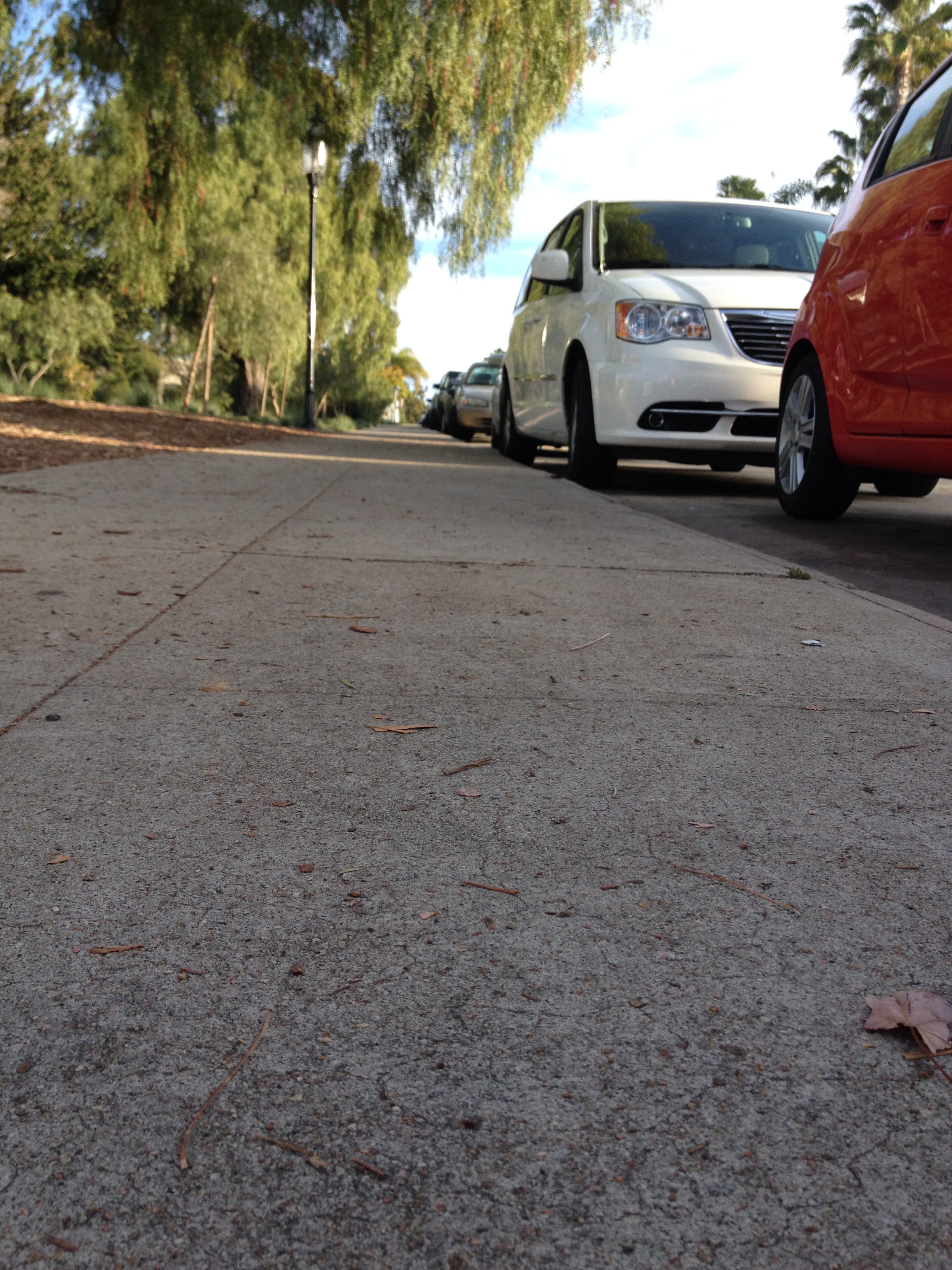
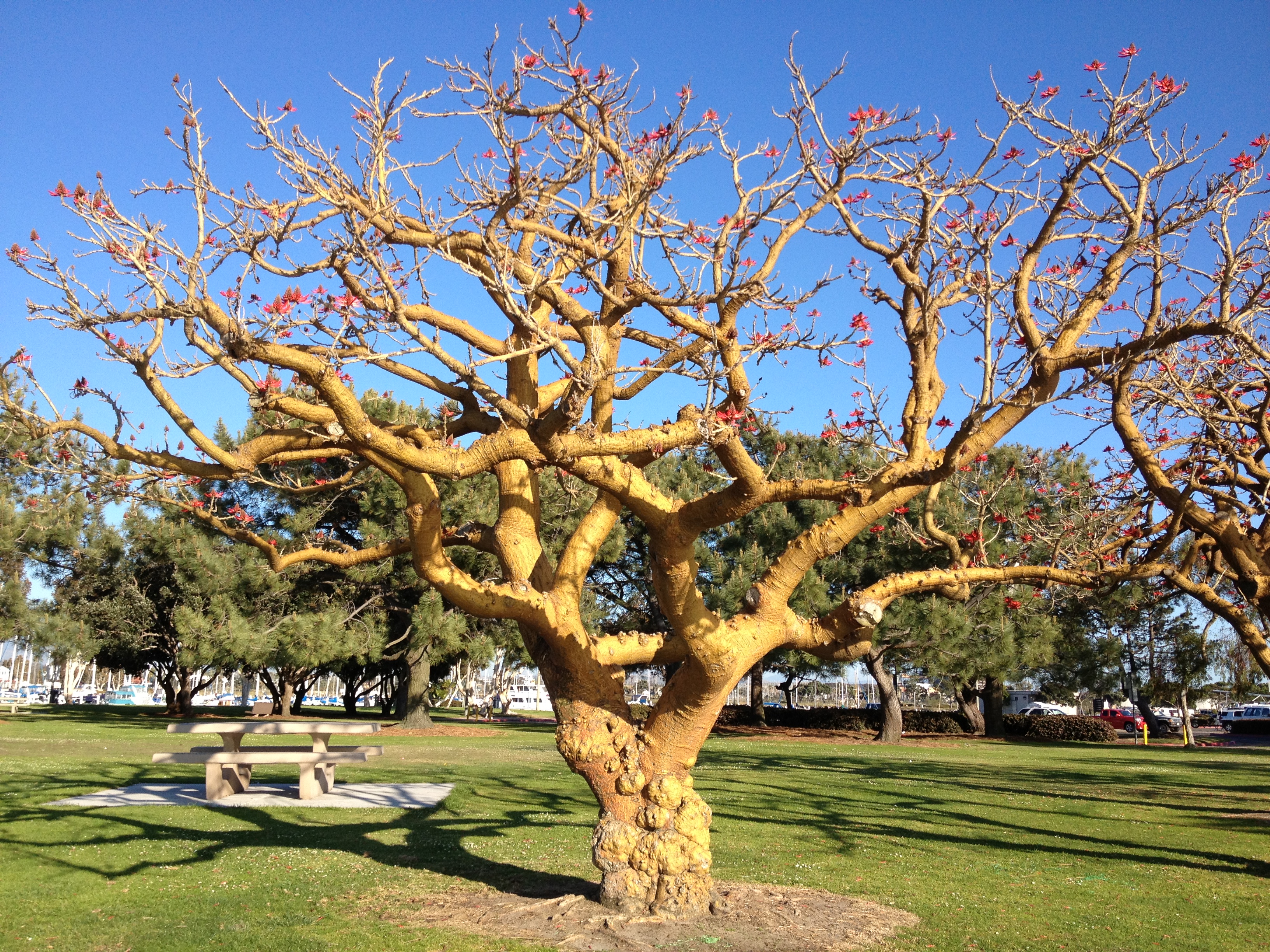
Today’s word was climb. I needed to reach my daily 10,000 step goal and so my friend Lauren and I went on a walking adventure through our beautiful city. We explored Old Town and Seaport Village. All around town I took note of what was climbing, that is, when I wasn’t busy climbing hills and steps myself. Below are some pictures that represent #climb.   I hope you enjoy!

What a great climbing tree!

What a great climbing tree!

2014-01-04 15.51.26 2014-01-04 16.02.552014-01-04 15.57.322014-01-04 16.02.44

2014-01-04 16.54.18

Day two’s word was build:

Build strength and peace of mind

Build strength and peace of mind

Day three was create:

Create a delicious breakfast

Create a delicious breakfast

Previous photo challenge: #AugustBreak2013

Posted in Reflection | Tagged , , , , , , | 3 Comments

Sunshine Award for Blogging

Yesterday I was pleased and surprised to receive a tweet from @franmcveigh with a link to her blog.  She nominated me for a blogging Sunshine Award.  Thanks Fran!

2012-04-17 17.37.19

The Rules:

  • Acknowledge the nominating blogger.
  • Share 11 random facts about yourself.
  • Answer the 11 questions the nominating blogger has created for you.
  • List 11 bloggers.  They should be bloggers you believe deserve some recognition and a little blogging love!
  • Post 11 questions for the bloggers you nominate to answer and let all the bloggers know they have been nominated. (You cannot nominate the blogger who nominated you.) These are the rules according to Fran’s post. The number 11 seems intimidating as I begin to write this post, but here goes…

Random facts about me:

  1. I have lived in three states throughout my life: New Jersey, Virginia, and California
  2. I have traveled to many countries, but I’ve visited Spain at least 5 times
  3. Video games make me happier than they should!
  4. I have a cat that is 18 1/2 years old
  5. Although my arthritic knees don’t enjoy it, I love to hike
  6. I wanted to be a teacher from the time I was five years old
  7. I also wanted to be a writer (author of children’s books) and a bookstore owner!
  8. I love red wine
  9. I love music from the 50’s to today and music is ALWAYS playing in my car
  10. I miss my mom every day
  11. I’m participating in a photo-a-day challenge this month that I hope to continue throughout 2014

Fran’s Questions:

1.  What is your most treasured piece of writing?
My journal from when I lived in Spain during college.  It tells so much about who I was as well as the experience.
2. What author would you like to personally chat with (time travel is acceptable!)
SO many to choose from… but I would have to start with Louisa May Alcott.
3. What would members of your family say that you are somewhat obsessive about?
Noises… I hate loud and/or repetitive, distracting noises!
4. What book should never have been made into a movie?
Again, so many to choose from!  Right now, what comes to mind is The Polar Express by Chris Van Alsburg.  That book has a special place in my family’s traditions and the book is so much more special than the movie.
5. What are the defining qualities of a “good book” in your own opinion?
A good fiction book tells a great story, helps the reader connect with the characters (either because you love them or you love to hate them!), and makes it hard to put down until you finish it!
6. What is your favorite sport and why?
Sport?  What is that?
7. In your life, is the glass typically “half full” or “half empty?”
Half full! 🙂
8. What life accomplishment are you most proud of? And why?
Everything having to do with my work- I’m very proud of all I’ve done as a teacher and a leader and I love my job!
9. What one word would your best friend use to describe you?
Random
10. What is your favorite comfort food?
Anything sweet.
11.  What outdoor temperature range would be your ideal year round temperatures?
San Diego’s temperature just about all year long!

Bloggers I Nominate for Sunshine Awards:

My Questions for these fabulous bloggers:

  1. Who is the most famous person you have met in real life?
  2. Who do you recommend we follow on twitter?
  3. Where did you go on your last vacation?
  4. Coffee or tea?
  5. Pictures or words?
  6. Why are you in this profession?
  7. PC or Mac?
  8. How many “i_” products do you own?
  9. What do you do for fun?
  10. Favorite song?
  11. What genre do you most enjoy reading?

Happy blogging!

20120720-212735.jpg

Posted in Writing | Tagged , , , | 2 Comments

[Abecedary of Reflection] Appreciation

An abecedary or abecedarium is basically an alphabet. Over the next few months I’m going to work my way through the alphabet (using the much fancier reference- abecedary) while exploring the theme of reflection. Reflection is an important aspect of leading and learning. I have written many posts about reflection because I do my best reflecting through writing. I hope you will join me on my alphabetic journey.

A: Appreciation

How often do you stop and take note of what you have? How often do you give yourself credit for getting where you are? Part of reflection is appreciating who you are and what you have.

App 3

“Follow effective action with quiet reflection.  From the quiet reflection will come even more effective action.” ~ Elena Aguilar, The Art of Coaching, 2013, p. 247

I think it is important to take the time to stop, be grateful for what you have, and appreciate the hard work YOU put into getting to this point. As coaches and leaders, we often make time to appreciate and support others, but skip the step of appreciating our own work. I’m not suggesting we each jump on the rooftop shouting our accomplishments. However, I am encouraging coaches and leaders to reflect, internally, about the value they bring to their school or district. We cannot always wait for others to publicly share their appreciation of our work. We must honor our work, appreciate that we are making a difference for students, and use that as fortitude when the going gets tough.

Questions to consider as you reflect:

  • What do you appreciate about yourself as a leader?
  • What have you done lately that you can appreciate?
  • How can you show appreciation for the work of others?
  • How can you make time for reflection?
  • What other ideas would you like to see explored throughout this abecedary on reflection?

Previous posts on reflection:

Habit of reflection

Time for reflection

Enjoy the view

Reflective Questions

Balance

Posted in Reflection | Tagged , , | 13 Comments

Yoga Lessons

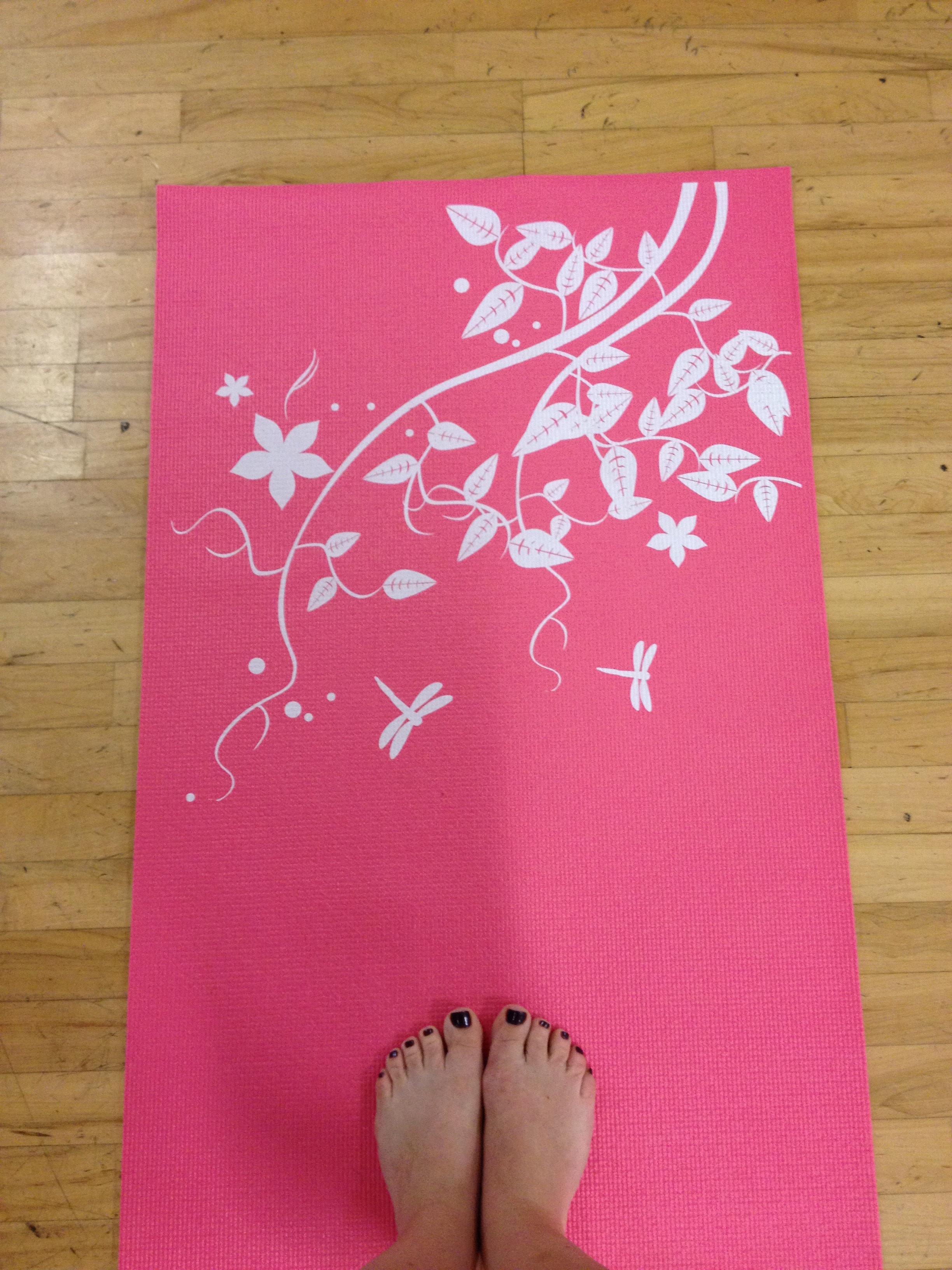
I have been practicing yoga faithfully for the last few months and I really enjoy it. This was not always the case.

When I first tried yoga, many years ago, I felt like a failure. Not only did I not know what the instructor meant when he said, “Downward dog,” but even after I looked around and figure out what I was supposed to do, my body would not cooperate. I did not have the strength, coordination, or stamina to attempt or sustain many of the poses in a basic class.  I tried the class a few times, feeling ridiculous and stupid every time, and soon quit.

This image was originally posted to Flickr by diamondmountain at http://flickr.com/photos/80908836@N00/277026421. It was reviewed on 1 April 2008 by the FlickreviewR robot and was confirmed to be licensed under the terms of the cc-by-2.0.

This image was originally posted to Flickr by diamondmountain at http://flickr.com/photos/80908836@N00/277026421. It was reviewed on 1 April 2008 by the FlickreviewR robot and was confirmed to be licensed under the terms of the cc-by-2.0.

Years later, when I returned to a yoga class, there were still plenty of poses with which I was unfamiliar. The first class or two felt intimidating, but not impossible. I knew that if I continued to attend class and to practice my own yoga, I would learn the poses. I had confidence in that. At the same time, I was working out, both on my own and with my personal trainer, improving my cardiovascular abilities, my strength, and my endurance. I know that all of that work made the improvements I saw in yoga happen quicker than they would have if I had only been trying yoga once a week with no other support.

Today in yoga class, some of my practice came so easily that I began to take my strength for granted. Then my trusty lower back pain kicked back in and reminded how susceptible I am to injury and how much more I can continue to grow. Child’s pose was my good friend today.

This file is licensed under the Creative Commons Attribution-Share Alike 3.0 Unported, 2.5 Generic, 2.0 Generic and 1.0 Generic license, by Iveto.

This file is licensed under the Creative Commons Attribution-Share Alike 3.0 Unported, 2.5 Generic, 2.0 Generic and 1.0 Generic license, by Iveto.

What does this have to do with leading and learning?

This reminds me of some of our struggling students, who often receive so much negative or constructive feedback about one particular area of their studies (decoding, multiplication tables, etc.) that they become laser-focused on that one weakness, forsaking the continued building of other skills. If we looked at learning as the integration of skills, we could also see that when we strengthen all areas, individual areas will grow over time.

I also think of teachers, especially the hard-working teachers with whom I work. Our teachers are currently learning a whole new word (you have heard of Common Core, right?!). This new learning often makes teachers self-conscious of all aspects of their teaching, wondering if the same pedagogy, student engagement strategies, enjoyable texts, or transition activities can and should work with their students now. As we continue to strength our knowledge about the expectations of Common Core and the realities of what that looks like for students, I hope we continue to support one another’s strengths.

I know that my Crane Pose is stronger today than ever, and I have not just weekly yoga practices to thank, but also daily push ups, walking, resistance training, and the torture created by that trainer.

This file is licensed under the Creative Commons Attribution-Share Alike 3.0 Unported, 2.5 Generic, 2.0 Generic and 1.0 Generic license, by Iveto.

This file is licensed under the Creative Commons Attribution-Share Alike 3.0 Unported, 2.5 Generic, 2.0 Generic and 1.0 Generic license, by Iveto.

What have you learned lately?

Posted in Learning | Tagged , , , , , | 1 Comment

Taking time to enjoy the view

Sometimes you have to make yourself stop and enjoy the views. During an incredibly stressful week recently I was able to take a moment and enjoy this amazing sunset. The work will always be there… the to-do list will never be complete… there will always be more great books and tweets and articles to read… but every sunset is different and this one was well worth the time!  2013-12-11 16.52.01

2013-12-11 16.51.50

2013-12-11 16.50.362013-12-11 16.59.00

Ever since I took the time to notice this sunset, I have been able to appreciate more beautiful sunsets (and even a few sunrises!). Tonight’s gorgeous full moon lit up my drive home this evening and I enjoyed every moment of the drive because of the view.

I hope you take time to enjoy the beauty around you, especially during this holiday season.

Posted in Reflection | Tagged , , | 6 Comments

Online Book Club Experience

I recently had the opportunity to participate in an online book club and it’s made me hope that all of our students have similar experiences as readers, inside and outside of our classrooms.

In addition to the many education and leadership blogs I follow, I also follow a number of healthy living blogs. One of those bloggers, who happens to read and share her thoughts on many Young Adolescent novels (especially dystopian society stories), invited her readers to participate in a book club together. She announced the book- The Circle, by Dave Eggers- and encouraged her readers to message her if they wanted to participate.  She created a private Facebook group and invited interested readers into the group. That process began in early November, with the announcement that we would discuss the book beginning on December 1. Having never participated in an online book club before, I didn’t know what to expect. I began to read at my own pace, keeping the December 1 deadline in mind along with my other work and personal obligations. With over three weeks notice, I could set a reading schedule that wasn’t stressful for myself. Because I knew I would be participating in the online discussion, I had ownership of not only finishing my reading but making relevant notes I hoped to discuss with the group. This, as well as the interesting story concept, kept me engaged throughout the month leading up to our discussion date.

Image

On the night before December 1 the facilitator of our group posted an explanation of how our book club would work. Each day for the following week she would be posting a question for us all to respond to. Each morning I was excited to log on, read the question, and see what others had already posted in response. Each evening I enjoyed going back through all the comments that were posted after mine, seeing who I agreed with or disagreed with, and who sparked a new thought for me. Midway through the first “discussion” our facilitator introduced a second group leader who would help keep the conversation going and who would also contribute questions. This was a great way to build capacity of another leader and bring in a different perspective throughout the week.

At the end of the week, most of the posters were clambering for a commitment to read another book together and to have an even more open discussion in our Facebook group.  Our facilitator asked for book suggestions and many people have shared what sound like great novels! As we wait to hear what book we will be reading next, I am busy making connections to our students as readers. Many years ago, in my own middle school classroom, I facilitated a variety of student book clubs. However, those were very much led by me, with the students participating through my directions and support. Thinking about my own recent experience and knowing now what I didn’t know then, I would handle book clubs in a different way. I would keep these ideas in mind:

  • Voice and choice matter – I’ve said this in regard to coaching teachers, I’ve discussed in when reflecting on leadership and professional development, and I will repeat it again when thinking about students. Students are more likely to be positively engaged in book clubs if they have a choice in their reading material and discussion topics as well as if their voice is heard throughout the process.
  • Writing supports reading and thinking- Having to write out responses to online questions helped me formulate my thoughts more articulately. In addition, the act of reading others’ responses helped make the connection between reading the novel and discussing the content with others more meaningful.
  • Online collaborations are powerful- I participated in this book club in my own time, at my own pace. The fact that it was online allowed me to respond to questions while eating my breakfast in the morning or read others’ responses after dinner in the evenings, all from the comfort of my own couch. I wasn’t motivated by a grade or a requirement, but my own interest, not only in the book, but in the thoughts of strangers from around the world. The people who participated in this book club were from various countries and professions and brought such unique perspectives to the conversations- ideas I wouldn’t have considered on my own or within my personal circle. What if students used online collaborations in this way?

What about you?  Have you ever participated in an online book club?  Have you read The Circle?  I’d love to hear your thoughts!

Posted in Reflection | Tagged , , , , , , | 2 Comments

Critical Friends / Supportive Peers

Leadership can be tricky and challenging. Leadership can also be isolating and lonely.

Image

I’ve been thinking a lot about how leaders receive feedback. To me, it is important to have critical friends, those trusted personal friends or colleagues who are willing and able to be brutally, specifically honest about my leadership. It is also equally important to be willing to hear the same kind of feedback from peers who are trying to be supportive. However, without a relationship of trust, is that feedback heard?

What if you work with someone who uses the word “um” within every sentence as he presents?

What if you work with someone who does not see how they are perceived by others?

What if you witness someone “coaching” or “leading” by telling and ordering others to do something?

Do you tell them?

If you do, are you a critical friend, a supportive peer, or a competitor?

How do we, as leaders, open ourselves up to these crucial conversations? How do we reflect on our own leadership? How do we have these conversations even if they are difficult? How do we support others, building capacity so that we are surrounded by critical friends who support our work? How do we take the feedback we receive and adjust our leadership to be more supportive, more effective, more open or honest? How do we empower others to feel confident to have these critical conversations?

Just some of my thoughts.  Would love to hear yours…

Posted in Leadership, Reflection | Tagged , , | 4 Comments

Mentor Text October submission

I am participating in a mentor text challenge hosted by the San Diego Area Writing Project (SDAWP). The goal of the project is to generate a detailed collection of quality mentor texts that teachers can use with students to enhance writing. Each month bloggers will link up to a main site to share great mentor texts and how they can be used with students.  While I haven’t taught in a classroom of my own in many years, I work with coaches and teachers daily and believe that the use of mentor texts can strengthen writing instruction at all levels. My first mentor text submission, Love That Dog, is here.

My submission for October is The Lightning Thief (Percy Jackson and the Olympians Series) by Rick Riordan. I actually read this novel to see if it would be a useful text resource for 3rd grade teachers during an upcoming unit of study that includes a focus on myths (it would!), but found the figurative language and author’s craft elements exciting and interesting along the way!

2013-10-22 18.22.15

Passage of Time

The author has a creative way to show the passage of time, which would be an interesting author’s craft study for students. An entire portion of the story revolves around the characters arriving in LA (from NYC) by a specific date. Riordan marks the passing of time with a line such as, “The next afternoon, June 14, seven days before the solstice…” (Riordan, p. 143). At the beginning of a chapter, this anchors the reader to the fast-approaching deadline (the solstice) and demonstrates how much time has passed since the last date. When another similar line appears in the next chapter, the reader is quickly reminded of the importance of that looming deadline.

I would use this, in conjunction with other ways author’s mark the passing of time in narratives, as a lesson for students to explore how they would like to show time passages in their writing.

2013-08-05 07.07.04

Figurative language

This novel is rich with golden nuggets of descriptive language. Here are a few of the lines I would highlight with students when adding details to our writing or working on specific elements of figurative language:

  • “Standing behind us was a guy who looked like a raptor in a leisure suit. He was at least seven feet tall, with absolutely no hair. He had gray, leathery skin, thick-lidded eyes, and a cold, reptilian smile.”  (Riordan, p. 179)
  • “He looked like a cherub who’d turned middle-aged in a trailer park.” (Riordan, p. 45)
  • “…the sky looked like ink soup coming to a boil.” (Riordan, p. 87)
  • “I slashed up with my sword, heard a sickening shlock!, then a hiss like wind rushing out of a cavern- the sound of a monster disintegrating.” (Riordan, p. 120)
  • “Everywhere we turned, the Rocky Mountains seemed to be staring at me, like a tidal wave about to crash into the city.” (Riordan, p. 143)

While you could use this entire novel with a class for an in-depth study of many elements of fiction, you could also use chapters, excerpts, and even individual lines as mentor texts.   The author’s use of language is poetic, descriptive, engaging, and even gruesome at times, hooking students into the story or an element of writer’s craft to explore in their own writing.

Posted in Writing | Tagged , , , , , , | 5 Comments